Anti-seismic improvement
The differences between seismic improvement and seismic retro-fitting of...
Read more


August 27, 2021
When we talk about seismic risk, we refer to the estimated damage resulting from an earthquake that could occur. This concept goes beyond the mere probability of a seismic event taking place, and focuses instead on the real consequences that such an event could cause to people, structures, and human activities. Seismic risk therefore represents a comprehensive assessment of potential impacts, examined in relation to a specific building in a given seismic zone. Thanks to this definition, authorities, businesses, and citizens can adopt targeted preventive measures, turning awareness of the hazard into concrete protective actions. Knowledge of seismic risk thus becomes an essential tool for the effective design of safe buildings and for the development of structural improvement strategies to ensure long-term safety and resilience at a national scale.
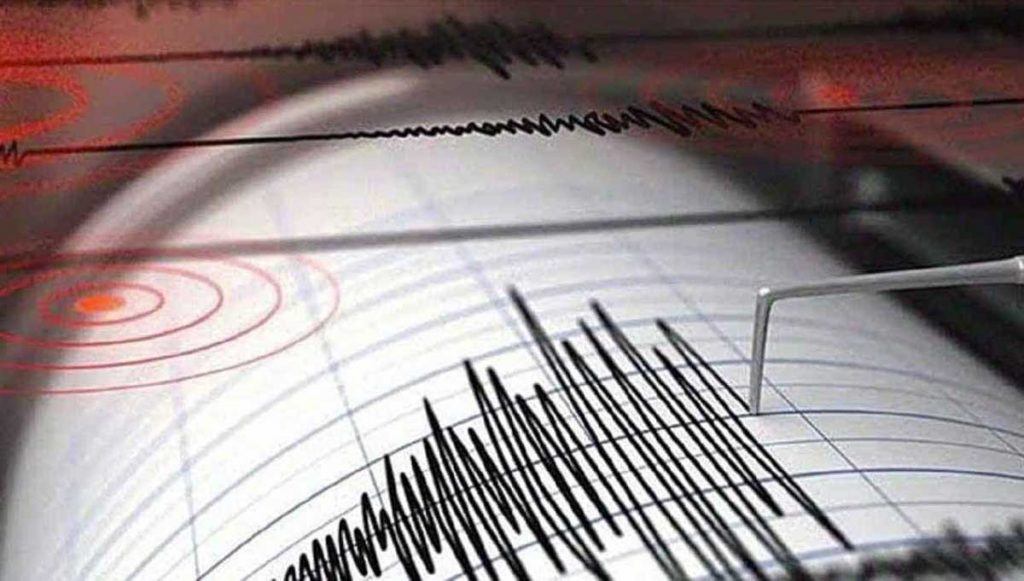
Seismic risk assessment takes into account three fundamental parameters: hazard (seismicity of the site), vulnerability (structural fragility), and exposure (human lives and assets at risk). When analysed together, these aspects allow a specific quantification of how at risk a given building actually is when an earthquake occurs. Through seismic risk assessment, which can be either descriptive or modal, it is possible to identify the structural vulnerabilities present in the building under analysis and define intervention priorities. Engineers use indicative baseline data relating to the seismic zone and its ground acceleration to provide a clear picture of the current situation and, consequently, a preliminary plan of the interventions required to address the identified vulnerabilities. In this way, seismic risk assessment does not remain an abstract concept but becomes an operational guide for designers when, at a more advanced stage, they approach the detailed design of the seismic improvement solutions to be adopted.
The seismic risk index (IS-V or ζE) is a technical parameter that measures a building’s capacity to withstand a seismic event, expressed as the ratio between the seismic acceleration the structure can sustain (capacity) and that required by the current standards for the specific site (demand). A value below 1 indicates a vulnerable building that does not meet current safety standards, while a value above 1 indicates a satisfactory level of safety. In accordance with Ministerial Decree 2017, buildings are classified into 8 seismic risk classes, ranging from class A+ (maximum safety) to class G (high risk), based on two complementary indices: the life safety index (IS-V) and the expected annual economic loss index (PAM — Perdita Annua Media).
Italy is one of the most seismically exposed countries in Europe due to its geographical position, situated between the African and Eurasian tectonic plates in continuous motion. This centuries-long collision has scattered the territory with active faults and volcanoes, rendering the peninsula geologically unstable from Sicily to the Alps. This is compounded by a building stock largely constructed before the introduction of modern seismic design standards, which increases the vulnerability of buildings and infrastructure. Italy is therefore a high seismic risk territory, for which prevention, maintenance, and seismic upgrading represent indispensable priorities. Consequently, seismic risk in Italy demands constant attention from institutions, businesses, and citizens alike. Only through an integrated strategy of targeted interventions will it be possible to coexist with this natural reality while minimising the negative consequences for assets and human lives.
In this context, a thorough understanding of seismic risk in Italy is not merely a theoretical exercise, but becomes a concrete tool for safeguarding human lives, productive activities, and cultural heritage. An informed approach makes it possible to transform knowledge of the hazard into targeted preventive actions, reducing the potential impact of seismic events and contributing to the overall resilience of the country. Knowing the seismic risk of the buildings in which we spend our lives is the essential first step towards not underestimating the problem and, therefore, towards investing resources intelligently. This widespread awareness creates a culture of prevention that translates into reduced future damage, greater collective safety, and significant economic savings in the long term.
Understanding seismic risk means investing in the future of Italy and its generations. Seriana S.p.A., fully aware of this vulnerability inherent in the territory, works every day to find the best solutions to make businesses safe workplaces at all times.
With our country’s inherent fragility in mind, Seriana S.p.A. is invested daily in finding the best solutions to ensure companies’ workplaces are always made safe.